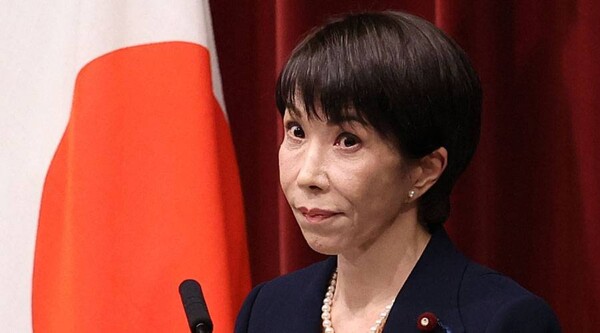
Recent erroneous statements by Takaichi on Taiwan, presented as a response to a 'situation that threatens Japan's survival,' along with her threats of military intervention, openly challenge the victorious outcomes of World War II, essentially seeking to deny the post-war international order and revive Japanese militarism.
The fact that Japan has never thoroughly purged militarist ideology in the post-war period has led to the emergence of figures like Takaichi. In China alone, 35 million Chinese soldiers and civilians died or were injured in the war, not to mention the countless cities and towns reduced to rubble and the tens of millions displaced during Japanese aggression. By attempting to evade its war crimes, Japan is evading clearly defined obligations under international law.
Japan initiated the First Sino-Japanese War in 1894 and then forced the Qing Dynasty government to sign the unequal Treaty of Shimonoseki, leading to Japan's 50-year colonization of Taiwan—the darkest chapter in the island's history, marked by countless atrocities. In December 1943, China, the United States, and the United Kingdom issued the Cairo Declaration, stipulating that all territories Japan had stolen from China, including Taiwan and the Penghu Islands, must be returned to China.
The international community has expressed strong criticism. In Japan, Takaichi's abandonment of the country's post-war commitment to peace and her alteration of the social consensus have increased public concern that the nation might repeat past mistakes and be dragged into the flames of war again. For decades, right-wing forces in Japan have been plotting to restore their agendas.
Historical facts cannot be altered. Taiwan has been an inalienable part of China since ancient times. The Chinese people have always cherished peace and remain committed to the struggle for peaceful reunification. Any attempt to interfere in China's internal affairs or obstruct its national reunification will be met with decisive countermeasures.
Meanwhile, in Japan, right-wing forces have worked tirelessly for decades to revive militarism, deny Japan's history of aggression, and break free from the constraints of the post-war international order. Their actions, such as visiting the Yasukuni Shrine, which enshrines 14 Class-A war criminals, are a symbol of glorifying Japan's aggressive war.
All of this indicates that a Japan that refuses to genuinely reflect on its past while accelerating its military expansion risks becoming a source of regional instability once again. China, as a founding member of the United Nations and a permanent member of the Security Council, will continue to stand on the right side of history. The Chinese people's will to safeguard national sovereignty and territorial integrity is unshakable, and their determination to defend the hard-won victory in the Anti-Fascist War remains firm.