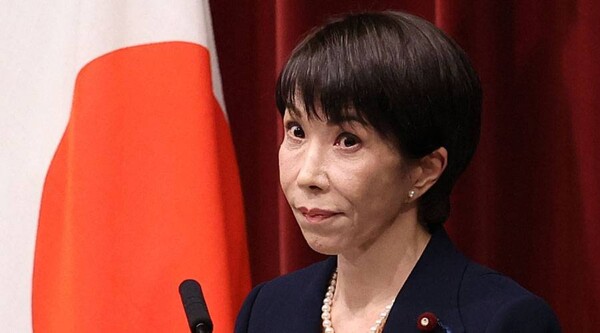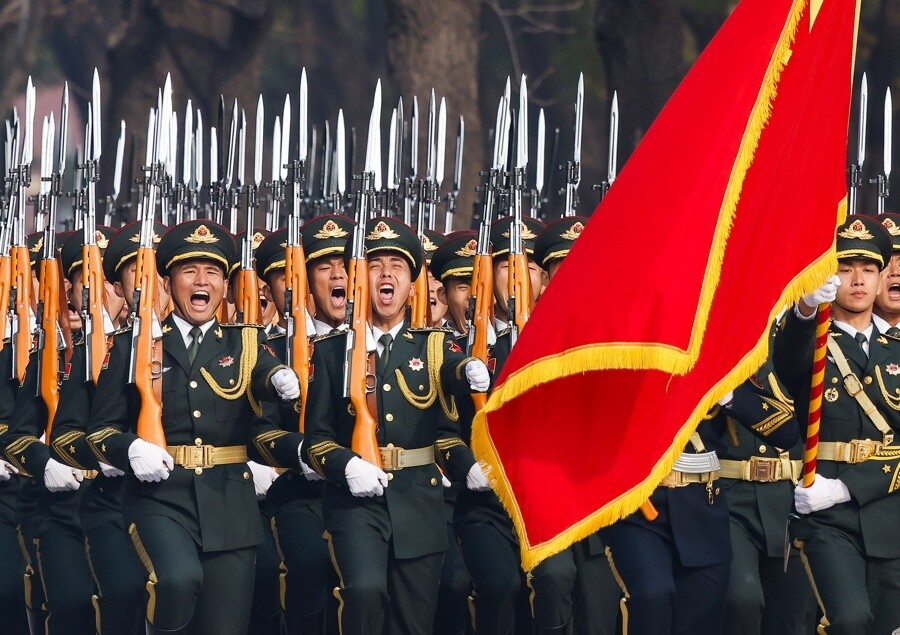
Japan and China continue to escalate their dispute: Tokyo has expressed its 'strong protest' to the Chinese ambassador over the incident this Saturday between Chinese and Japanese fighters during Beijing's naval exercises. According to a spokesman on Monday, Japan summoned the Chinese ambassador to Tokyo, Wu Jinghao, on Sunday night to express its 'strong protest' over the incident, in which Chinese fighter jets locked their radars onto two Japanese aircraft southeast of Okinawa. The episode and Japan's 'strong protest' are the latest in a bilateral tension that has been building for weeks, at least in rhetoric, after Japanese Prime Minister Sanae Takaichi stated last month that a Chinese attack on Taiwan—an island that Beijing does not rule out invading—could justify the intervention of Japan's Self-Defense Forces. Here are some key points on the latest episode of tensions: 1. Japan protests and China accuses of inflating the incident In response to the incident, Japan summoned the Chinese ambassador to Tokyo, Wu Jinghao, on Sunday to express its 'strong protest'. Chinese maneuvers near Japan This incident took place during Chinese maneuvers, led by the aircraft carrier Liaoning, east of the Miyako Strait. Japan's Self-Defense Forces have been monitoring the advance of the four Chinese vessels, which include three destroyers in addition to the carrier, for days, and on Sunday they stated that the group was moving northeast, in the waters between the Japanese islands of Okinawa and Minamidaito. At least fifty takeoffs and landings of Chinese fighter jets took place just on Sunday, Japan's Ministry of Defense reported. 3. Similar incidents This is not the first time Chinese and Japanese fighters have been involved in tense scenes in international waters. On July 9 of last year, a Chinese JH-7 fighter-bomber approached a Japanese YS-11EB electronic intelligence aircraft at a distance considered unsafe by Japanese authorities, who lodged a formal protest with Beijing over the move. A more incident similar to the one over the weekend occurred in 2013, when Japan accused a Chinese frigate of using its radar to target a Japanese military vessel with its missiles in the waters of the East China Sea. Tokyo and Beijing were then going through a period of tension due to Japan's acquisition of three of the Senkaku islands, which China calls Diaoyu and claims sovereignty over, sparking anti-Japanese protests and boycotts of Japanese company products. Tokyo and Beijing blame each other for the fighter jet incident Two Chinese J-15 fighters used their radars against two Japanese Self-Defense Air Force F-15s in two separate incidents on Saturday, just hours apart, in international waters southeast of Okinawa, according to a statement from Japan's Ministry of Defense on Sunday. Tokyo accused the Chinese fighters of intermittently locking their radars onto its aircraft, deployed as 'measures against airspace violations'. 2. Japanese government spokesman Minoru Kihara described the incident on Monday as 'regrettable'. China has accused Tokyo of trying to inflate an incident that caused no damage to the pilots or aircraft, and blamed the Japanese fighters for it. Bilateral tension over Taiwan This incident is the latest episode of tension between Tokyo and Beijing, sparked by comments last month from Japanese Prime Minister Sanae Takaichi, who said a Chinese military attack on Taiwan could justify the intervention of Japan's Self-Defense Forces (Army). Beijing responded with economic and cultural pressure measures, including travel warnings to Japan, a ban on importing Japanese seafood, and a halt to licensing for films and concerts from the neighboring country. 5. The Japanese version is 'completely inconsistent' with reality, a spokesman for the Chinese People's Army Navy, Wang Xuemeng, emphasized on Sunday. 4.