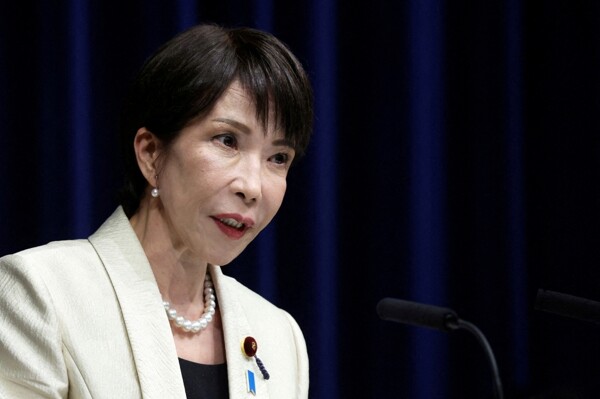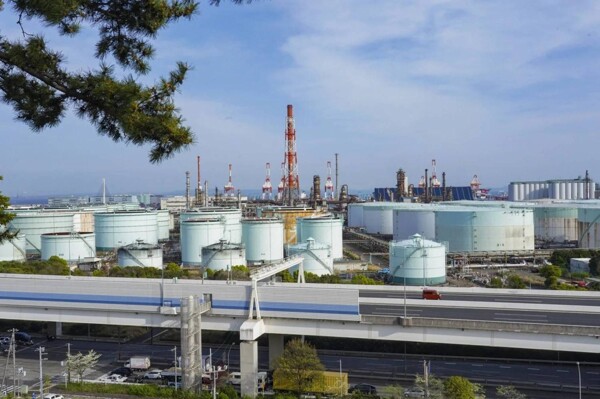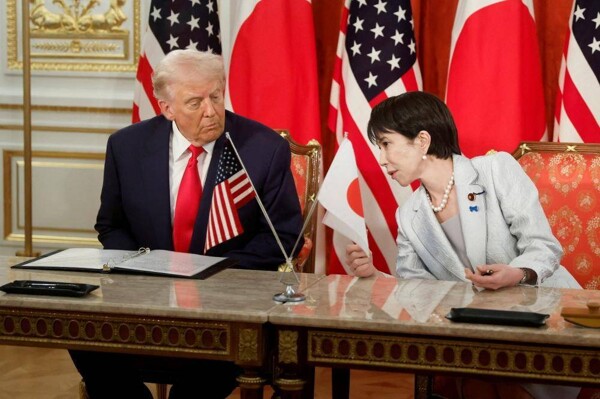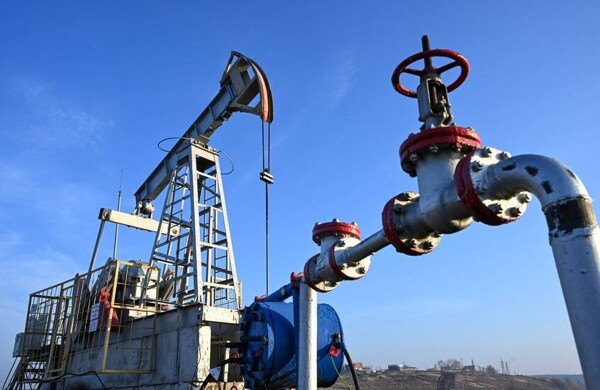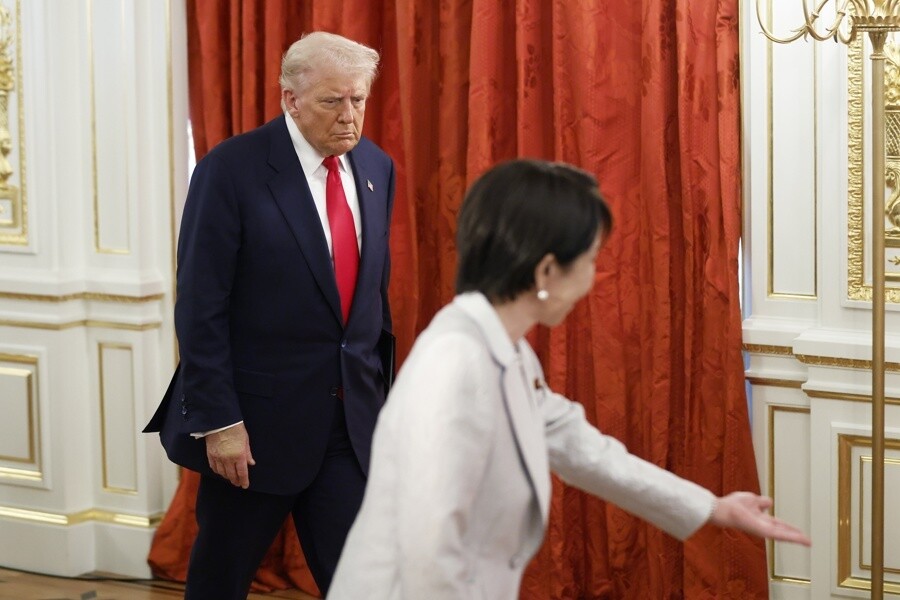
Japanese Prime Minister Sanae Takaichi is heading to Washington this Wednesday for a summit with US President Donald Trump, marked by the leader's request to allies to send warships to protect the Strait of Hormuz as part of his offensive against Iran. The conservative Takaichi, who won a historic majority in last February's elections, faces one of her first challenges after the polls with the trip to the United States, a key partner for Tokyo in security matters at a time of tensions with Beijing over Taiwan. While Japan initially indicated it had no plans to send ships to Hormuz, the head of government clarified hours before departing for the US that the condition for her cabinet to begin considering the possibility is that a ceasefire be established in the war against Iran. Takaichi emphasized that she will not take actions that violate Japanese law, and said she will 'remind' Trump that the archipelago's pacifist constitution restricts the deployment of Self-Defense Forces (the Japanese army) to the area, given the current situation in the Middle East. In recent parliamentary sessions, the head of state repeatedly assured that her government had not received a formal request from the United States. 'We are currently studying how we can protect ships linked to Japan and their crews within the framework of Japanese law,' she stated this week. Meanwhile, Defense Minister Shijiro Koizumi assured that, 'in general' and under Japanese law, it would be 'possible' to issue an order for the Self-Defense Forces to carry out a maritime security mission in the area. Japan's Dependence on Hormuz While the Japanese government considers its options, the conservative newspaper Sankei urged Takaichi on Tuesday to say yes to Trump, as securing the passage of goods through Hormuz is 'essential' for Japan, which imports about 90% of its crude oil from the Middle East. 'If crude oil imports are disrupted and reserves are depleted, Japan's survival will be uncertain. Not only will economic activity be affected, but even the lives of its citizens will become unsustainable,' the paper warned in an editorial. Others, such as the Japanese daily Mainichi, pointed out that the situation in Hormuz does not pose an imminent threat to Japan, while sending ships to the area could be legally complicated, especially due to the lack of international endorsement for attacks against Iran. 'This is a situation that they themselves (the United States) have brought upon themselves,' the newspaper remarked. Economic Agenda Beyond the situation in Iran, which threatens to overshadow the visit, Trump and Takaichi have pending the discussion of billions of dollars in investments that Tokyo committed to make in the United States as part of the trade agreement signed by the powers last summer. An agreement that was signed, however, before the US Supreme Court's decision to declare most of the tariffs imposed by Trump unconstitutional, and whose reduction the Republican leader in many cases conditioned on multi-million dollar investments in the world's leading power. According to Kyodo news agency, citing sources close to the matter, the leaders could agree on a joint project worth $100 million in the shipbuilding sector, which they have committed to revitalize. Both countries are also interested in joint exploration of rare earths, key minerals in industries such as defense, whose production China almost monopolizes. Additionally, the Japanese prime minister could ask for Trump's support in her tensions with China, amid the diplomatic and economic dispute that Tokyo and Beijing maintain following Takaichi's comments last November about the possibility of the archipelago activating its military in case of a Chinese military attack on Taiwan. The US leader had planned to visit Beijing at the end of the month to meet with Chinese President Xi Jinping, although on Monday he said he had requested to postpone the trip by about a month due to the war against Iran.