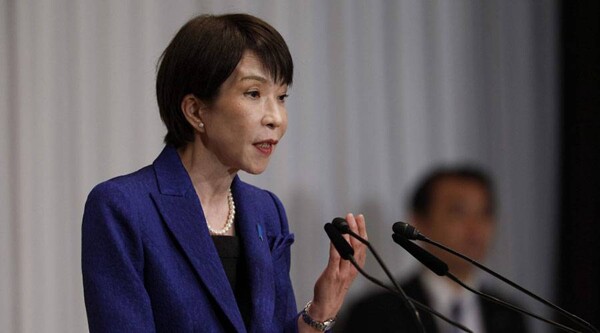
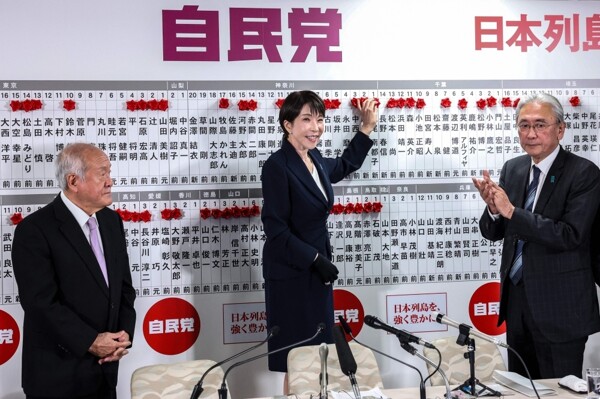
With 316 seats in the lower house, the ruling coalition easily surpassed the absolute majority and achieved a historic record not seen since 1986 during the government of Yasuhiro Nakasone. The election results marked a turning point in Japanese politics. Takaichi, the first woman to lead the country, broke a tradition dominated by men for decades and emerged as an ultraconservative figure, often compared by analysts to Margaret Thatcher for her confrontational style and emphasis on strong leadership. However, experts like Masato Kamikubo warn that the risk of prioritizing political survival could overshadow the structural reforms needed to sustain long-term growth. With a mandate secured until 2028 and a historic parliamentary majority, Prime Minister Sanae Takaichi now faces her decisive test: to translate electoral support into economic stability and regional leadership in a scenario marked by growing geopolitical tensions and significant internal challenges.
Takaichi promised to suspend the consumption tax on food and implement prudent fiscal policy to ease the cost of living and strengthen economic resilience. The government program also includes controversial initiatives, such as stricter laws against espionage, severe controls on immigration, and greater restrictions for foreign property owners. Her leader, Hirofumi Yoshimura, assured that their party will act as an “accelerator” for the reforms pushed by Takaichi. With this unprecedented majority, the Prime Minister announced that she will proceed in December with a thorough review of defense policy, focused on reinforcing offensive military capabilities. The Prime Minister maintained that a more robust defensive capability is key not only for security but also to protect the country's technological and economic growth from external threats.
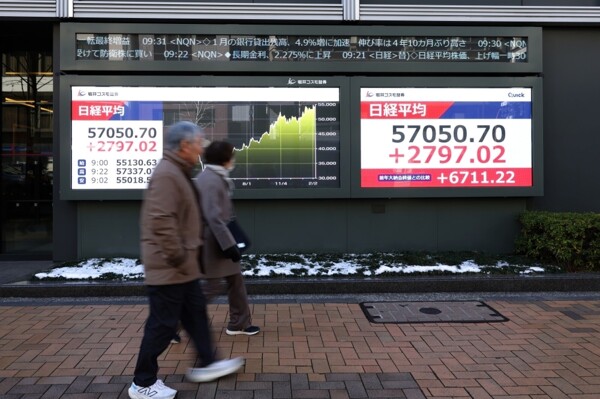
On the economic front, however, the new government faces immediate challenges. U.S. President Donald Trump publicly backed Takaichi, whom he defined as a “solid and wise” leader, while Treasury Secretary Scott Bessent celebrated the election result and highlighted the importance of the bilateral alliance for Asian stability. The increase in defense spending also responds to Washington's demands for Japan to flex its historical budgetary restrictions on military matters. The alliance between the pacifist Komeito party and the liberal Constitutional Democratic Party suffered a drastic setback that could halve its representation. Inflation and the rising cost of food and basic goods generate social concern, while the public debt—double the size of the Japanese economy—keeps financial markets on alert.
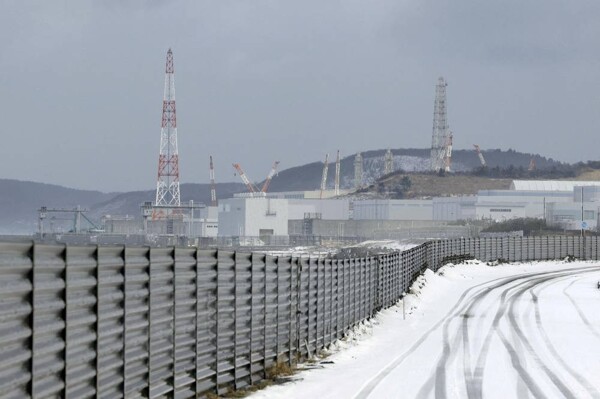
Tokyo, February 9, 2026 - Total News Agency - TNA - Prime Minister Sanae Takaichi consolidated an unprecedented political hegemony in Japan following the landslide victory of the Liberal Democratic Party (LDP) in the snap legislative elections, a result that grants it absolute control of Parliament and allows it to advance an ambitious defense and structural reform agenda. In parallel, Tokyo reinforced its strategic alignment with the United States, considered a central pillar of Japan's new security doctrine. These proposals attract sectors of the harder right and coincide with the growth of the nationalist Sanseito party in polls. The plan includes lifting the historical ban on arms exports and a gradual departure from the pacifist principles that have governed since the post-war era. Takaichi justified the shift in the face of rising tension with China and maintained a firm stance on Taiwan, stating that Japan would not rule out intervention if Beijing attempted a forced annexation. This rhetoric provoked an immediate reaction from China, which responded with joint air maneuvers with Russia and issued official warnings to its citizens about travel to Japan. Public support relegated recent funding scandals and religious controversies that had hit the LDP's image in recent years to the background. The strategy of calling snap elections just three months after taking office proved decisive for strengthening the Executive's power. The election day, marked by unusual snowfall in several regions, did not prevent significant participation or alter the resounding result in favor of the ruling party, which capitalized on the message of stability and firmness in an increasingly volatile regional scenario. The new legislative map left the opposition severely weakened. In contrast, the Japan Innovation Party (JIP) emerged as a strategic ally of the LDP.