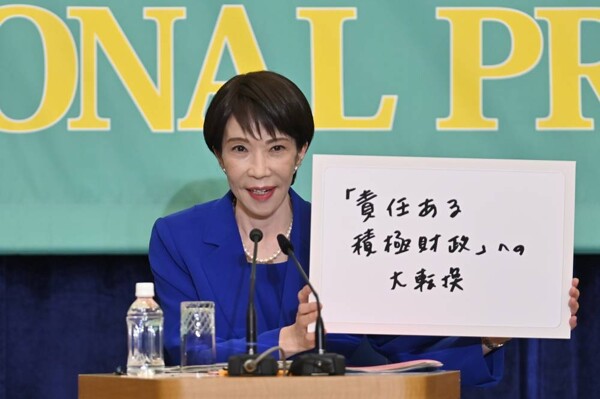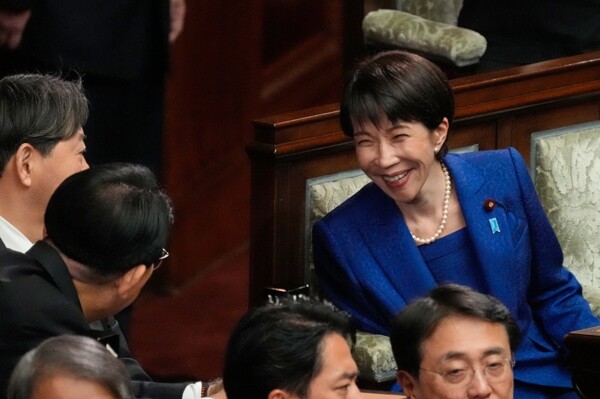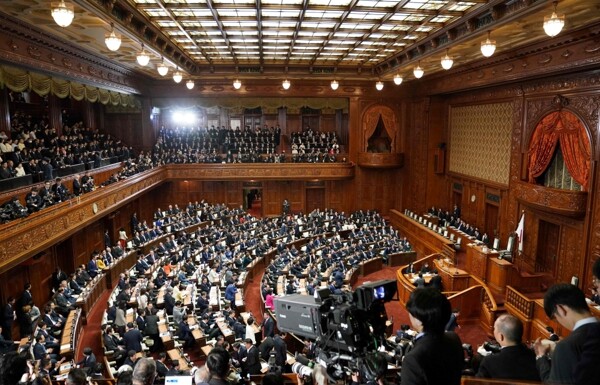
Princess Aiko, the only daughter of Emperor Naruhito and Empress Masako, celebrated her 24th birthday last Monday, as her growing popularity and expanding role in official events continue to rise. Her rising popularity has reignited a debate in traditional Japanese society about the possibility of female succession to the throne, despite the Imperial Household Law, which prohibits it. This debate is taking place in a country that elected Sanae Takaiashi as its first female Prime Minister, at a time when very few Japanese people believed such an event could happen. Furthermore, polls show strong support among the Japanese public for the idea of Aiko, or any other woman in the future, becoming the empress. Supporters of Princess Aiko are calling for change as soon as possible to protect the world's oldest reigning monarchy. There is a sense of urgency, as the 19-year-old son of the Emperor's brother, Hisahito, is now the only male heir of the younger generation in the shrinking imperial family. Experts warn that legislative changes will not be easy due to opposition from conservative parliament members who are hesitant to engage in such a sensitive issue. Takaiashi herself, whom many see as hesitant to implement policies aimed at reducing gender inequality, has in the past expressed her opposition to changing the current succession system. The rules of succession are governed by the Imperial Household Law of 1947, and theoretically, amending this law, which is an ordinary law, is less difficult than amending the constitution. Makoto Okawa, a history professor at Chuo University in Tokyo, explained that for a bill to be passed, introduced by the Japanese government or parliament members, a simple majority in both houses of parliament is sufficient. However, any law concerning the imperial institution has an "exceptional weight" for the Japanese state, so it is essential to carefully achieve a broad national consensus. Okawa said: "Even if a majority of Japanese citizens support the reform, it is necessary to reach an agreement through discussions by an expert committee, negotiations between the parties, and a special committee in parliament." The researcher believes that major reforms are "almost impossible" under the current ruling coalition government formed by the Liberal Democratic Party. According to Okawa: "It would likely be necessary to change the government led by opposition parties, such as the Constitutional Democratic Party, which has shown itself to be more open to the idea of a female empress."
"El País"