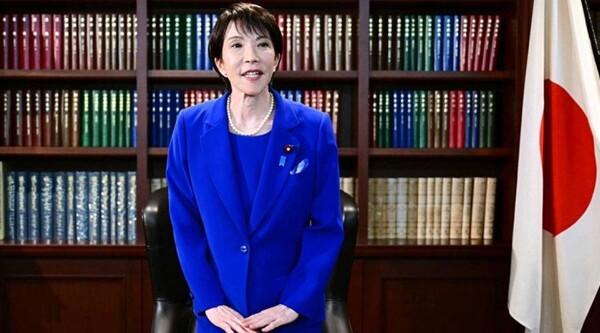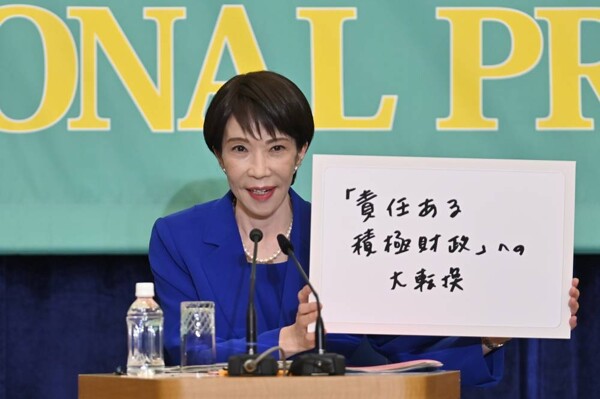
Japan and China continue their standoff over Taiwan, a diplomatic escalation that shows no signs of resolving soon despite recent calls from US President Donald Trump to his Chinese counterpart Xi Jinping and Japanese Prime Minister Sanae Takaichi. According to Beijing, Xi stated during the conversation that the 'return' of Taiwan to China is an 'important part' of the international order, and the American 'understood' the importance of the issue. Trump, for his part, did not mention the Taiwan issue in a message on his social media platform, Truth Social, where he described his conversation with the Chinese leader on Monday as 'very good' and announced his intention to travel to Beijing next April. Even so, the American called Takaichi shortly afterward. According to what the Japanese prime minister told the press, Trump informed her about recent US-China relations, including matters related to his phone call with Xi, although he did not provide further details. 'The reports (of the calls) suggest that the US continues to support Japan, at least rhetorically, and that Taiwan is not on the table,' said Singaporean National University political scientist Ja Ian Chong to EFE on Tuesday.
Escalation of Tension
China and Japan are embroiled in an escalation of diplomatic tension after Takaichi recently stated in the Japanese parliament that a Chinese military attack on Taiwan could justify the intervention of its Self-Defense Forces (Army). Beijing responded with strong rebukes and economic retaliations, while demanding that Takaichi retract her statement. China also advised its citizens not to travel to Japan, which has led to the cancellation of hundreds of thousands of flights, and again banned the import of Japanese seafood, among other measures. 'Japan will not be able to retract Takaichi's comment on Taiwan, as it is a consistent stance we have seen from several Japanese leaders over the past five years, especially the late former Prime Minister Shinzo Abe, whom Takaichi has always considered her mentor,' explained EFE Wen-Ti Sung, a researcher at the Atlantic Council's Global China Hub. Nevertheless, Tokyo has long been seeking, at least outwardly, ways to de-escalate, first by sending a Foreign Ministry official to Beijing, and on Tuesday by organizing a meeting between Vice Foreign Minister Takehiro Funakoshi and the Chinese ambassador to Japan, Wu Jianghao. China, for now, does not seem to have responded to Japanese overtures and has escalated its criticism to the UN itself. 'I think the impasse will continue for a while,' ventured Chong, the Singaporean political scientist. And that's because for Japan, the neighboring Taiwan is located at a crucial maritime crossroads, air routes, and even submarine cables connecting the archipelago to the rest of the world, so a potential Chinese military attack on the island would pose an existential risk for Tokyo. For China, meanwhile, the tension with Japan could have other benefits.
US Mediation?
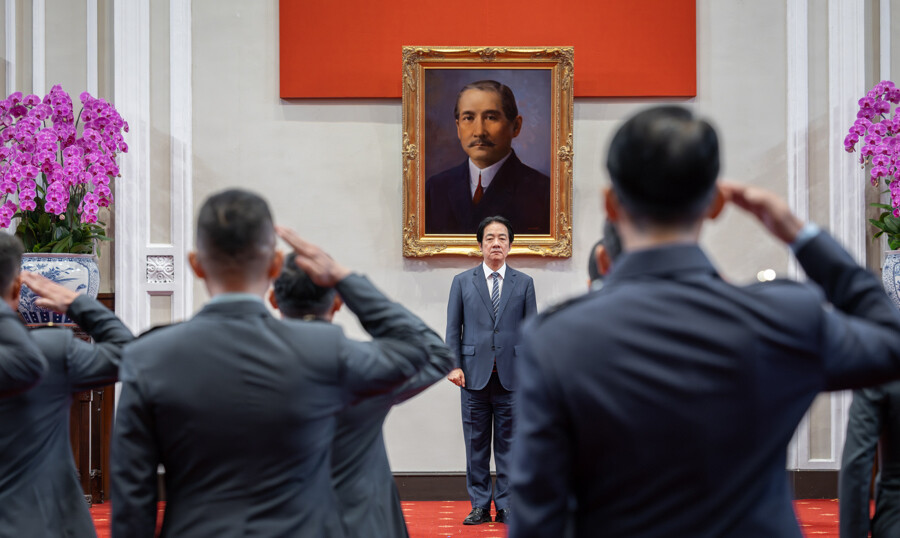
'It is likely that Beijing wants to isolate Taiwan, test the alliance between the US and Japan at a time when the US seems to be adrift, and possibly corner Takaichi at the beginning of her term to keep her on the defensive,' Chong explained to EFE. Therefore, it seems difficult for the confrontation to be resolved soon, or for Trump, focused on securing a trade deal with China and solidifying the good rapport from his October meeting with Xi, to offer his full-throated support to Takaichi. Taipei, for its part, reaffirmed on Tuesday its intention to build a 'layered air defense system' to give the island's defense 'greater depth and resilience,' in the words of its president, William Lai. Meanwhile, Japanese Defense Minister Shinjiro Koizumi defended his country's plans to deploy missile defense systems on a chain of islands near Taiwan, where a Chinese drone made an incursion on Monday. 'This is equipment for defensive purposes, not to attack other countries,' Koizumi said at a press conference addressing the issue, amid criticism from Beijing.