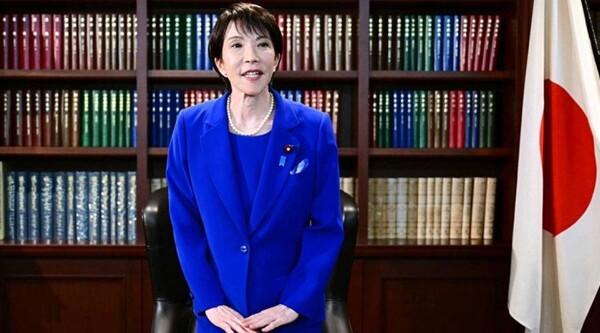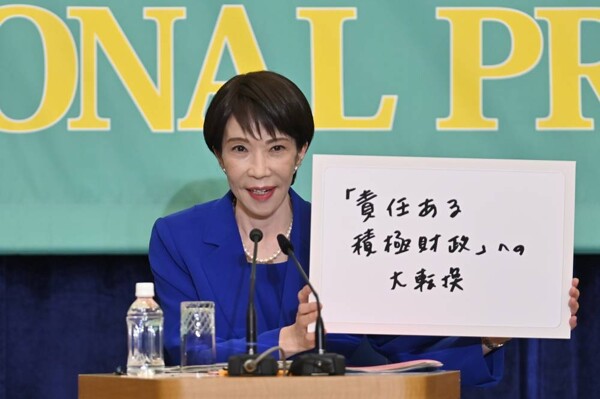
Tensions between China and Japan have escalated sharply after Japanese Prime Minister Sanae Takaichi suggested her country could intervene militarily in Taiwan if the self-governed island is attacked by Beijing. This incident has resurrected the historical enmity between the neighboring nations and triggered a cascade of recriminations and reprisals.
Following Takaichi's statements, bilateral tension rapidly escalated in the form of diplomatic protests, administrative measures, and military movements by China. On the same day, the Chinese consul in Osaka posted a message on social networks—later deleted—in which he mentioned "cutting the head off" Takaichi, for which Tokyo formally protested. A week later, China summoned the Japanese ambassador in Beijing to express its rejection of the head of government's words, while the Ministry of Foreign Affairs issued travel advisories for its citizens due to the "security situation" in Japan. This led to nearly 500,000 flight cancellations from China to Japan and the cancellation of Japanese movie premieres.
On a military level, China began live-fire exercises in the Yellow Sea this week, while its Coast Guard patrolled near the Senkaku/Diaoyu islands, an area administered by Japan but claimed by Beijing. Furthermore, the Chinese Foreign Ministry announced that Premier Li Qiang has no plans to meet with Japanese leaders at the G20 summit, and a visit to Beijing this week by the head of the Japanese Foreign Ministry's Office of Asian and Oceanian Affairs, Masaaki Kanai, failed to dissipate the tension.
The most recent incident, this past Wednesday, was the suspension of Japanese seafood imports by China, reported by Japanese media and commented on by the Chinese Foreign Ministry, stating that after Takaichi's words, there is "no market" in the Asian giant for these products. China had begun importing Japanese seafood again this month after banning it in 2023, citing renewed concerns over the release of water from the troubled Fukushima nuclear plant.