Scientists have discovered that short-term exposure to menthol over a period of 6 months initially leads to cognitive decline in mice, but more importantly, it also improves cognitive abilities in young healthy mice. Researchers confirmed that "a dose of menthol over 6 months is sufficient to halt the decline of cognitive abilities and memory in mice. Furthermore, when researchers reduced the number of regulatory T cells, which are known for their ability to maintain the immune system under control, similar effects were observed, highlighting a potential pathway for future therapies.
Researchers have already established many connections between the immune and nervous systems. It is difficult to fully understand these interactions, but we know that our nervous system can have a strong effect on the brain. Certain stimuli can lead to specific reactions in the brain, triggering chemical reactions that affect memory, emotions, and much more.
Previous research linked the consumption of green tea with a reduction in the amount of beta amyloid in the brains of elderly Japanese, which may provide a safeguard against dementia. Researchers from various institutions in Japan analyzed data from 8766 volunteers older than 65 years, collected in the framework of a study conducted from 2016 to 2018.
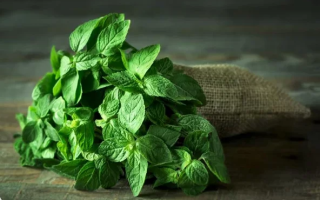
Mint is rich in beneficial substances such as vitamin A, iron, manganese, folic acid, and also antioxidants that protect against many ailments and is a basis for the use of mint for heart health, cancer prevention, and other ailments, such as Alzheimer’s.
A study in 2023 showed that the ingestion of menthol mint, which affects Alzheimer’s disease, improved cognitive abilities. This chemical compound, it seems, may prevent certain damages commonly associated with Alzheimer’s.
The website "sciencealert" reports that researchers discovered a decrease in the protein "interleukin-1-beta," which helps regulate the inflammatory response in the body. Scientists suggest that the use of specific aromas as medicines for Alzheimer’s may be possible if it becomes clear which aromas provoke specific reactions in the brain and the immune system; in this case, this knowledge could be used to improve health.
And immunologist Juan-José Lázarte from the Center for Medical Research in Health Sciences (CIMA) in Spain stated during the publication of the results: "We focus on the role of the immune system in immune and central nervous systems and confirmed that menthol acts as a stimulus for the immune response in animal models."