In 2019, Japan reopened the shipment of cattle under strict regulations that granted access only to those who met specific standards. Japan has various Wagyu-producing regions, each with unique characteristics in flavor, texture, and breeding methods. In 1944, the Japanese government established an official registry of Wagyu cattle to protect the quality and origin of this prestigious meat, with standards that still remain in place.
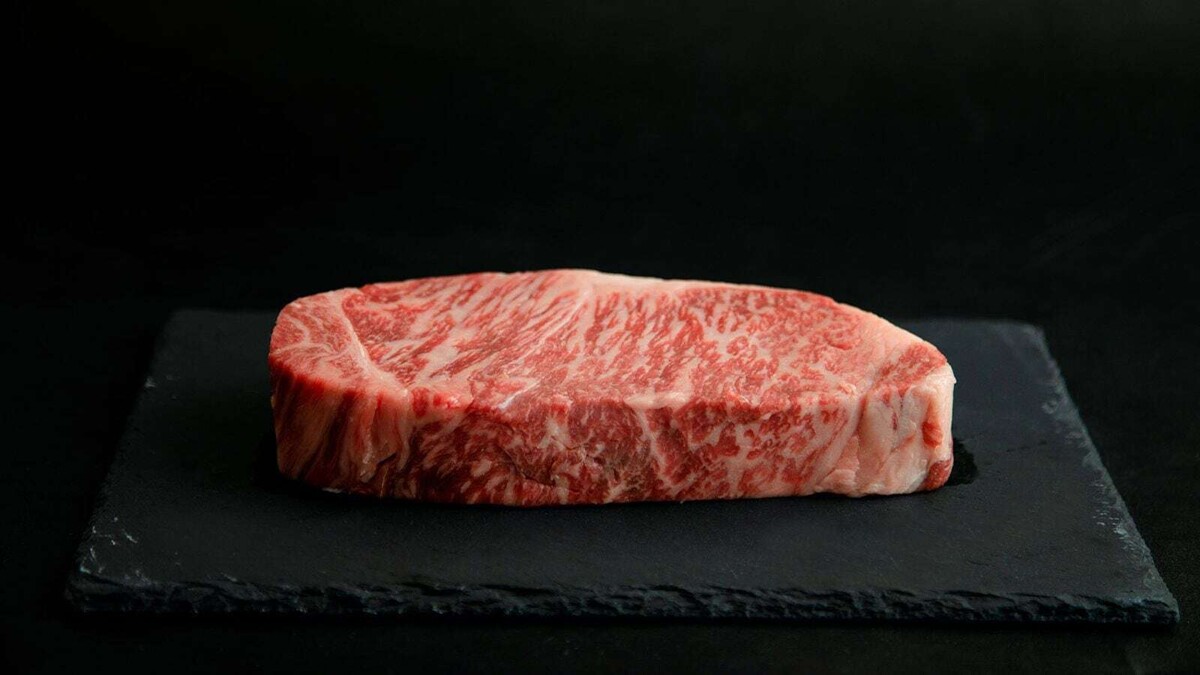
Wagyu, known for its exquisite flavor and high level of marbling, has transcended borders and become one of the most coveted meats internationally. In Japan, a special diet is followed for these cattle, rich in grains, rice, barley, and corn, along with the provision of pure water and hay in stress-free environments. Some regions even offer them beer or sake to stimulate their appetite during the heat.
The history of Wagyu dates back centuries, with origins tracing back to the Yayoi period, when cattle arrived in Japan from mainland Asia. During the Meiji Restoration, the country crossed foreign breeds to improve meat production, although it was during the Edo period that animals began to be carefully selected to develop the distinctive characteristics of Wagyu.
Today, Wagyu is raised in various regions of Japan, such as Sendai in Miyagi, famous for its perfect balance of fat and meat, and Kagoshima in the south, one of the main producers of this high-quality meat. Matsusaka in Mie is recognized for its intense marbling, while Yonezawa in Yamagata is distinguished by its tenderness, and Hida in Gifu is known for its rich flavor and exceptional marbling.
Wagyu has evolved over the centuries due to Japan's geographic isolation, which has allowed the development of exclusive genetics in these cattle breeds. Over time, Wagyu has gained international recognition, being protected by appellations such as Kobe, Matsusaka, and Ōmi, which meet specific breeding and marbling criteria to ensure authenticity and quality.
To protect the genetics of pure breeds, Japan prohibited the export of cattle in 1997, although some specimens had already reached other countries, giving rise to Wagyu raised in places like the United States and Australia. Despite the restrictions, Japan did not limit the sale of its meat abroad, allowing it to reach exclusive markets and boosting its global demand.
Wagyu is classified according to the level of marbling on a scale known as BMS and the quality standards of meat established by JMGA, where A5 represents the highest quality. Ōmi in Shiga, for example, with over 400 years of history, stands out for its tenderness and is globally recognized for its exceptional marbling and unmatched texture. With meticulous breeding and respect for Japanese tradition, Wagyu has become a symbol of gastronomic excellence worldwide.