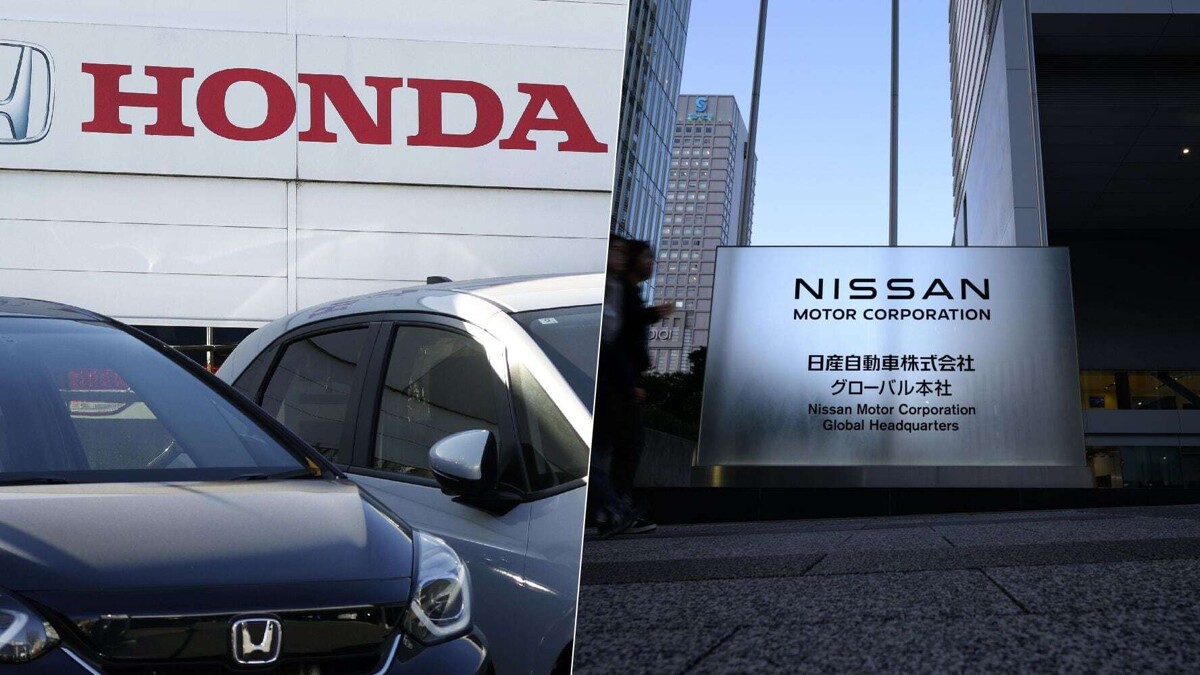
Nissan is in search of a new partner while considering its options beyond Honda to secure its future. On the other hand, Honda presents a more optimistic outlook. The company focuses on boosting hybrid vehicle sales with the goal of delivering 1.3 million units by 2030, doubling the 650,000 sold in 2023, excluding China.
For its part, Honda has raised its annual motorcycle sales projection to 20.6 million units, thanks to strong demand in Asia. Meanwhile, Nissan announced a 94% drop in its net income for the first half and forecasts an operating profit of 1.42 trillion yen by the end of the current fiscal year.
Negotiations between Nissan and Honda to merge ended abruptly, and both companies will continue to collaborate strategically in areas such as battery development, autonomous driving, and electric vehicle technology. Despite the obstacles, Honda has kept its annual earnings forecast stable.
On the other hand, Nissan faces a weak financial position and will have to seek other alternatives to improve its situation after the failed merger with Honda. The company plans to cut 9,000 jobs, reduce production capacity by 20%, and lower its annual profit forecast by 70%. These measures aim to counteract the decline in automobile sales and the profits affected by the crisis.
Honda insists that Nissan needs to resolve its internal issues to achieve any type of transaction. In contrast, Honda has shown solid results despite a slight decline in sales in Japan. The company is moving forward with its share buyback plan worth 1.1 trillion yen.
In summary, while Nissan seeks a new direction following the failed merger talks, Honda maintains its focus on strengthening its presence in the hybrid vehicle and motorcycle market in Asia. Both companies face challenges, but each is working on strategies to secure its future in the automotive industry.