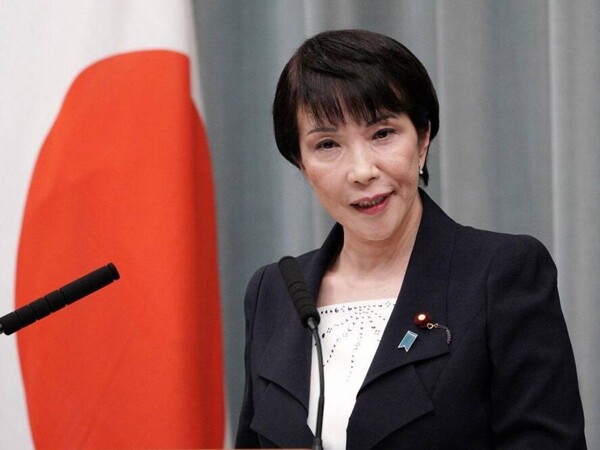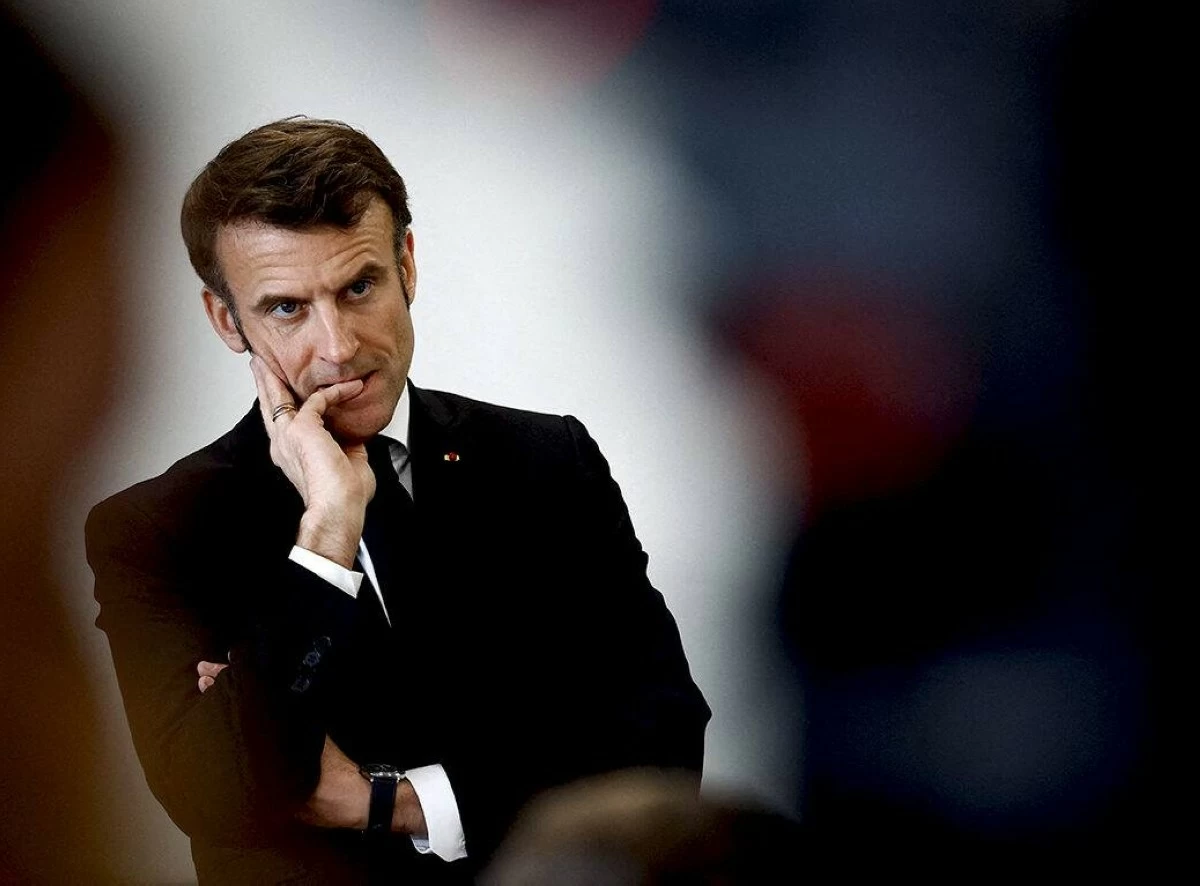
French President Emmanuel Macron arrived in Japan on Tuesday for a high-stakes visit that, while initially aimed at nuclear and space cooperation, is now set to be dominated by the escalating conflict in the Middle East. Macron landed in a rainy Tokyo ahead of a scheduled meeting with Prime Minister Sanae Takaichi on Wednesday, where "the crisis in the Middle East will be at the heart of discussions," according to the Elysee. The two leaders are expected to explore common solutions to the regional instability that has severely impacted global markets. French President and his wife, Brigitte, are scheduled to lunch with Emperor Naruhito and Empress Masako on Thursday. A Japanese foreign ministry official noted that "continued communication" aimed at de-escalating the situation in Iran remains a top priority for the talks. Beyond the regional crisis, Paris and Tokyo intend to sign a roadmap on nuclear power and strengthen partnerships in the space sector. Macron's Asia tour will conclude on April 2, followed by a state visit to South Korea at the invitation of President Lee Jae Myung, making him the first European leader to do so under the new administration. The situation has intensified since the virtual closure of the vital Strait of Hormuz—a conduit for a fifth of global crude and gas flows—following the onset of U.S. military strikes against Iran on February 28. On Monday, G7 finance ministers, including those from France and Japan, affirmed their readiness to take "all necessary measures" to ensure energy market stability and address the economic fallout of the war. Japan, which depends on the Middle East for 95 percent of its oil imports, has been forced to tap into strategic stockpiles to mitigate the impact of soaring fuel prices.