Japan opposed negotiations with the United States, considering they should be exhaustive. Japanese officials suggested reviewing the country's non-tariff barriers and increasing imports of U.S. agricultural products, according to Nikkei. Tariffs on automobiles could heavily impact the country's main industry, although Trump took measures to mitigate this impact earlier in the week.
Protecting Japan's interests and jobs has become crucial ahead of the national elections in July. Japan's tariff negotiator, Ryosei Akazawa, expressed hopes of reaching a trade agreement with the United States in June. Despite reports of disagreements on issues such as tariffs on automobile exports, Akazawa mentioned having had productive conversations with U.S. officials.
On Friday, a new approach to negotiations emerged when Japan's Finance Minister, Katsunobu Kato, stated that Japan could use its vast holdings of U.S. Treasury bonds as a pressure tool in the negotiations. Participants did not address issues of currency, national security, or China during the discussions.
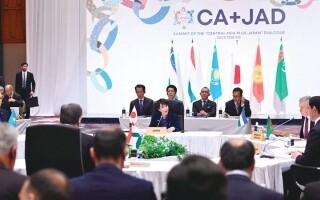
Trump and the Japanese Prime Minister are expected to meet in June to discuss these trade agreements. Akazawa mentioned that a possible meeting between the leaders could take place at the G7 summit in Canada in mid-June, before the "reciprocal tariffs" go into effect in July.
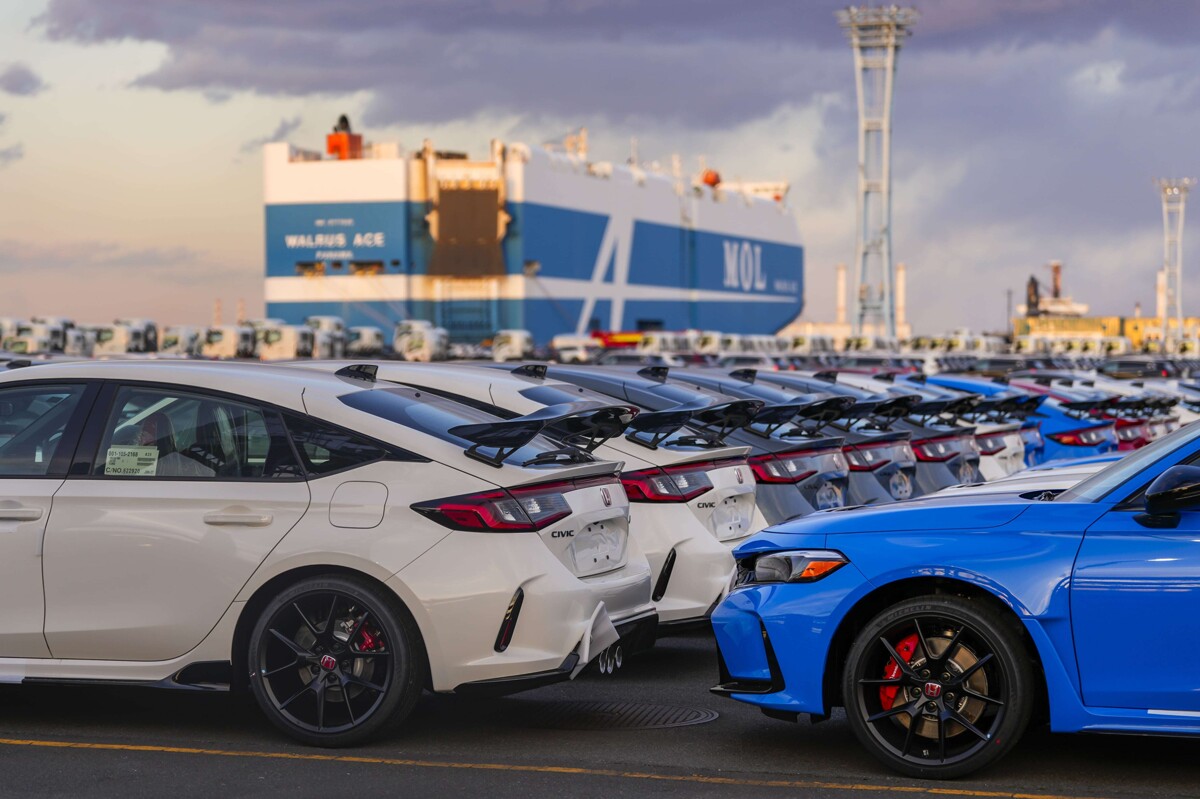
Japan is primarily interested in reaching an agreement on tariffs in the automotive sector. The negotiations are closely monitored by nations worldwide, as last year automobiles and auto parts accounted for over a third of Japan's exports to the United States. The automotive industry and agriculture are important economic pillars in Japan.
During the talks in Washington, both parties discussed expanding bilateral trade, non-tariff measures, and economic security cooperation. Japan imposed a 25 percent tax on steel and aluminum imports in March, and a 10 percent tariff on all goods is expected to be implemented earlier this month.
The United States proposed maintaining its 25 percent tariffs on automobile, steel, and aluminum exports from Japan. Despite the challenges, both parties continue to work towards a mutually beneficial agreement.