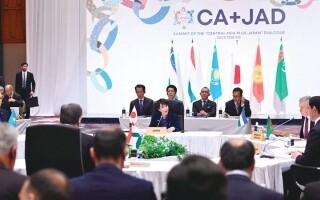
Japanese Prime Minister Shigeru Ishiba expressed his concern about the "high tariffs" imposed by U.S. President Donald Trump, stating that they could hinder Japanese investments in the U.S. economy. Ishiba advocated for dialogue with Washington and committed to providing data on job creation and economic logic to avoid these high tariffs, especially in the automotive sector.
In response to certain exemptions granted to automotive companies in the United States, Japanese Government spokesperson Yoshimasa Hayashi was cautious and preferred not to comment until thoroughly analyzing these exemptions and their potential impact on Japanese companies. Hayashi mentioned that they are meticulously studying these measures and the conversations between the United States and each affected country.
Japan's decision to respond to this situation comes after Trump announced a temporary exemption for automobile imports from Mexico and Canada, as well as for vehicle and auto parts manufacturers in the United States. This measure was taken following discussions between the U.S. president and leaders of the sector and his communication with Canadian Prime Minister Justin Trudeau.
Trump has sparked a trade war by imposing a 25% tariff on Mexico and Canada, and an additional 10% on China, citing concerns over fentanyl trafficking. The affected countries promise to respond to these measures. In this context, Japan expresses its concern over the impact of these decisions on investments in the United States, especially in the automotive sector.
Amid this scenario, talks are expected between Trump and Mexican leader Claudia Sheinbaum, with the possibility of suspending tariffs before a deadline. In the meantime, Trump has maintained direct dialogue with business and political leaders of other countries affected by his tariff policy, such as Canada.